Chroma
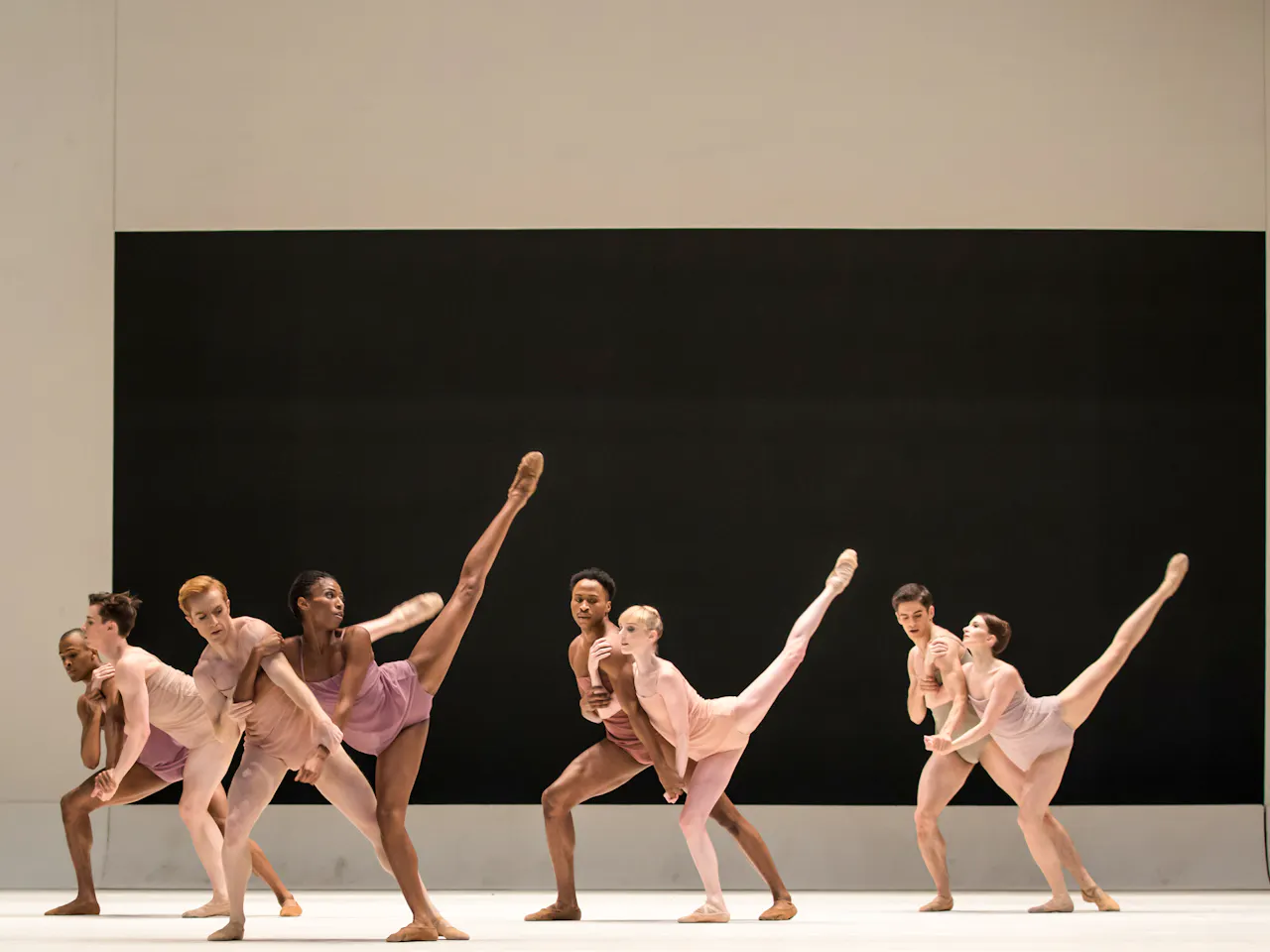
Wayne McGregor's Chroma burst onto the scene in 2006, electrifying audiences with its radical exploration of the extremes of the human body. With a powerful high-voltage score by Joby Talbot and Jack White III, Chroma and its success led to McGregor's appointment in his current role as Resident Choreographer and earned him an Olivier award.
Guidance
Content suitable for all
Creatives
The artists and creatives behind the production
Choreography
Music
Orchestration
Set designer
Costume designer
Lighting designer
Discover
Chaos and minimalism in tension
Propulsive and energetic, Chroma explores the drama of the human body and its ability to communicate extremes of thought and emotion. The ballet’s powerful score features original music by composer Joby Talbot and arrangements of music by The White Stripes, and combines with sparse, minimalist set designs by architect John Pawson to create a high-octane work of radical beauty. McGregor wrote, in the original programme, ’Often in my own choreographies I have actively conspired to disrupt the spaces in which the body performs. Each intervention, usually some kind of addition, is an attempt to see the context of the body in a new or alien way.’
A contemporary classic
Chroma was received with great acclaim, leading to McGregor’s current appointment as Resident Choreographer of The Royal Ballet, a role he has held since 2006. It also won an Oliver Award in 2007 for Best New Dance Production. Now considered a contemporary classic, the ballet is one of McGregor’s best known works and is performed by companies worldwide.
Accessibility and resources
There is lift access and there are step-free routes to over 100 seats in the Stalls Circle, Balcony and Amphitheatre. Some seats in the Stalls Circle, Balcony, Amphitheatre and the Donald Gordon Grand Tier are accessed by 9 steps or fewer. There are 10 steps or more to access seats in the Orchestra Stalls.
You can use the assistive listening systems in our auditoriums. Surtitles, captions and translations in English are displayed on screens above the stage and around the auditorium.
Join our Access Scheme for priority access to tickets and to inform us of your access requirements.
See our Accessibility page for more information or view a visitors guide (PDF, 12.0 MB).
Be the first to know
Sign up to hear the latest Royal Ballet and Opera news, receive ticket alerts, and discover how to support us.