Song of the Earth
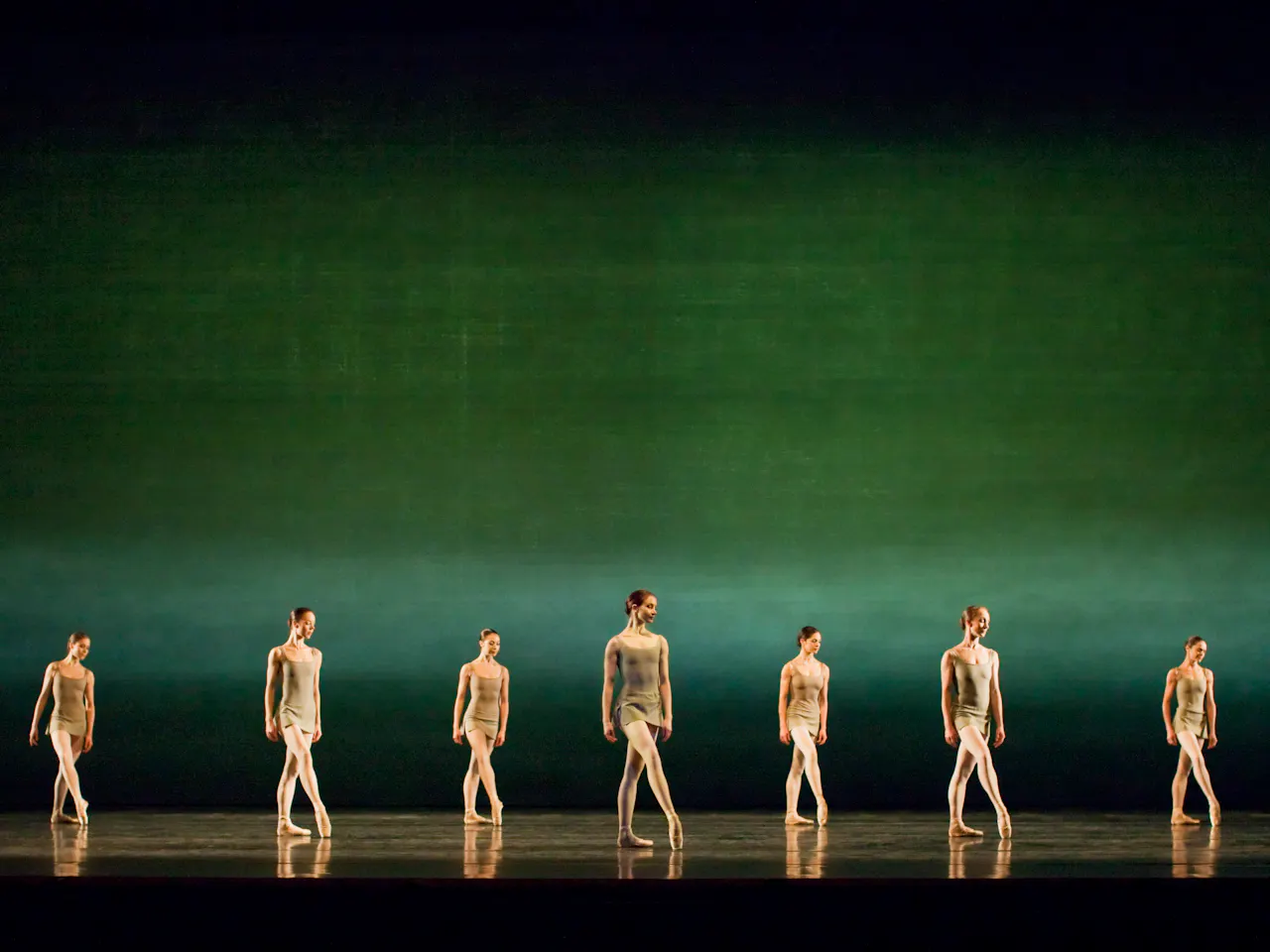
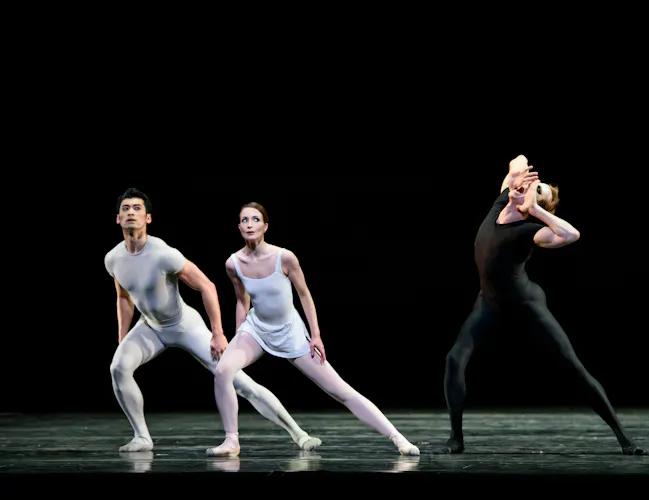
In this 1965 work of sculptural beauty, MacMillan's elegiac and earthbound choreography expresses metaphysical themes in Gustav Mahler's score, such as the transience of life and the imminence of death, drawing on 8th-century Chinese poems that inspired both composer and choreographer.
Guidance
Content suitable for all
Creatives
The artists and creatives behind the production
Choreography
Music
Text from The Chinese Flute
Designer
Lighting Designer
Discover
Background
MacMillan had long desired to choreograph a work to Gustav Mahler’s symphonic song cycle Song of the Earth (Das Lied von de Erde). However, the idea was rejected by members of the board of the Royal Opera House who were concerned that this work of Mahler’s was not suitable musical accompaniment for a ballet. In 1965, MacMillan offered the idea to Stuttgart Ballet, where his friend John Cranko was director. Cranko had always been welcoming to MacMillan, extending him an invitation to visit and choreograph freely for Stuttgart whenever he wanted. Cranko agreed to commission the ballet, which premiered in Stuttgart on 7 November 1965, featuring Marcia Haydée, Ray Barra and Egon Madsen in the leading roles.
Death and renewal
MacMillan succinctly summarised his ballet: ‘A man and a woman; death takes the man; they both return to her and at the end of the ballet, we find that in death there is the promise of renewal.’
An immediate success
The ballet was such an immediate success in Germany, garnering wide admiration by both audiences and critics alike, that The Royal Ballet brought the work into its repertory only six months later. Song of the Earth had its Royal Ballet premiere in May 1966, and featured guest artist Marcia Haydée and Royal Ballet Principals Donald MacLeary and Anthony Dowell.
Gallery


Accessibility and resources
There is lift access and there are step-free routes to over 100 seats in the Stalls Circle, Balcony and Amphitheatre. Some seats in the Stalls Circle, Balcony, Amphitheatre and the Donald Gordon Grand Tier are accessed by 9 steps or fewer. There are 10 steps or more to access seats in the Orchestra Stalls.
You can use the assistive listening systems in our auditoriums. Surtitles, captions and translations in English are displayed on screens above the stage and around the auditorium.
Join our Access Scheme for priority access to tickets and to inform us of your access requirements.
See our Accessibility page for more information or view a visitors guide (PDF, 12.0 MB).
Be the first to know
Sign up to hear the latest Royal Ballet and Opera news, receive ticket alerts, and discover how to support us.