PLAY/SHIFT
Motion Bank + AΦE/A+E Lab / Choreographic Coding Lab
The Choreographic Coding Lab (CCL) at Royal Ballet and Opera is an open, interdisciplinary research laboratory integrating the elements of 'opera' and its diverse creative practices. CCL gathers to discuss and develop projects, ideas, and questions in a peer-to-peer setting, while being embedded within various departments of the Royal Ballet and Opera.
The CCL format brings together people working creatively at the intersection of performing arts and emergent technologies by creating a space where computational and choreographic thinking can connect and interact. It fosters broad interdisciplinary collaboration and allows participants to develop an expanded understanding of choreography as a powerful relational and embodied framework that facilitates alternative modes of engaging with technology beyond the usual space of common digital 'best practice.' Participants have unique access to one of the world's leading cultural institutions, engaging with everything from costumes and archives to technical production.
This CCL is facilitated by Anton Koch (Motion Bank), Marlon Barrios Solano (University of Florida), Daniel Bisig (Zurich University of the Arts) and AΦE/A+E Lab. CCL result will be shared at PLAY SHIFT. There will be a guided tour of CCL participants' results of the week and an exchange with the CCL creative coders.
CCL at Royal Ballet and Opera co-facilitated by Motion Bank and AΦE/A+E Lab and supported by ElevenLabs.
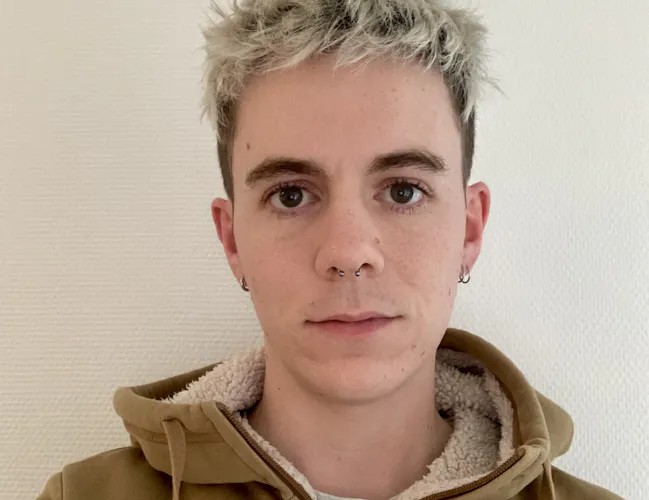
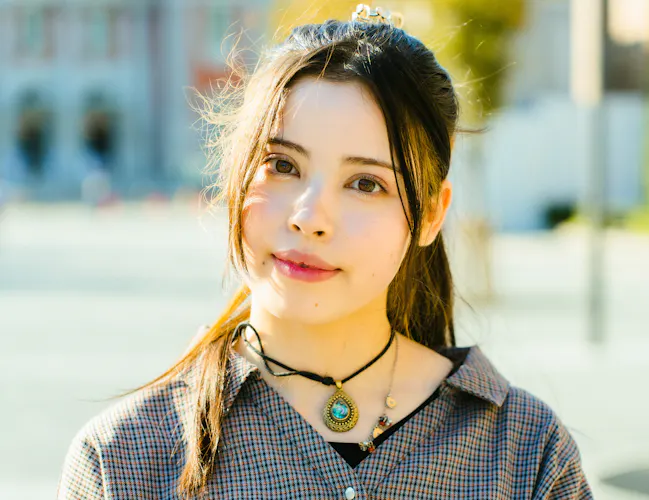
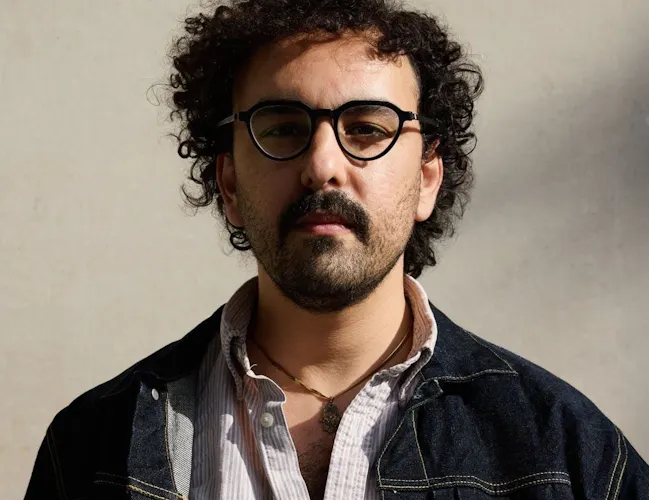
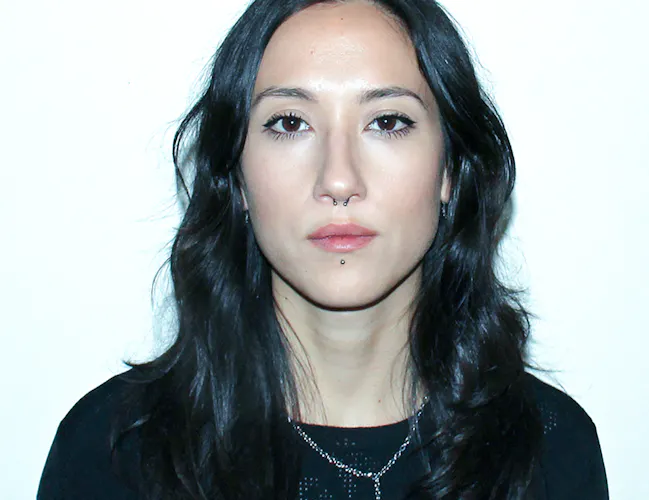
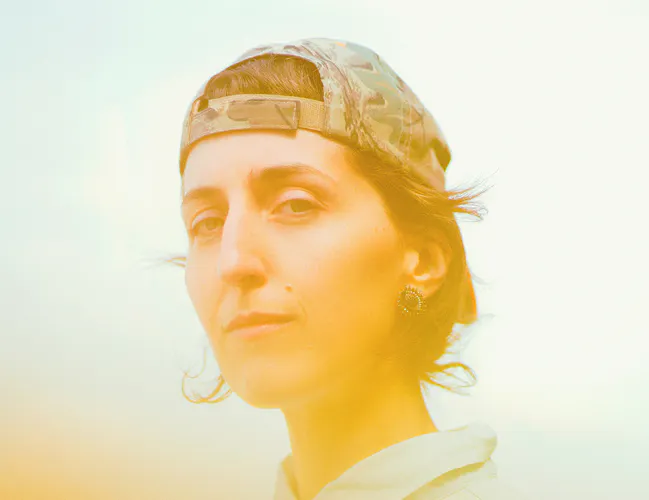
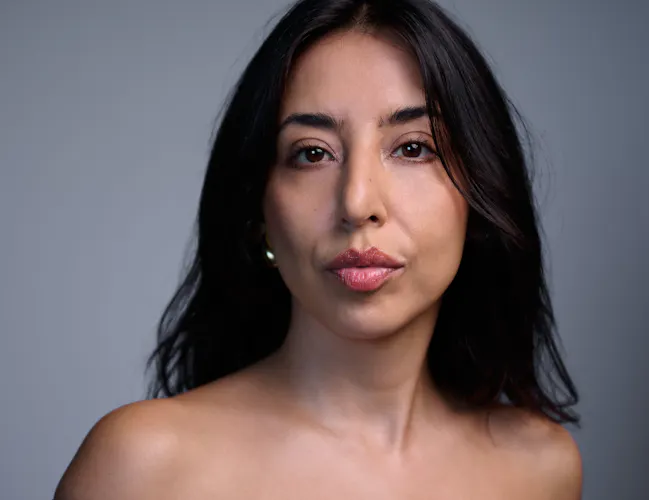
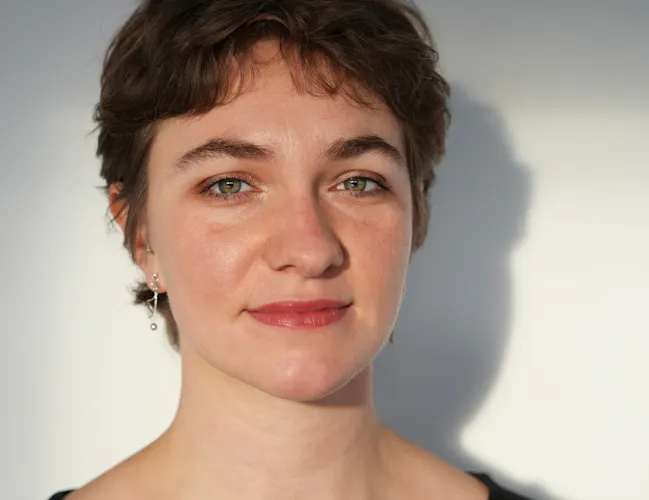
CCL Participants:
Valentina Ugolini
Jess Tucker
Laura Acosta
Julie Stamm
Harshini Karunaratna
Zhou Zhou
Fabio Lattanzi Antinori
Samuele Albani
Léo Chédin
Delyth Field
Jeremy Osztreicher
Gallery


Panos Ghikas + Daniel Herbert / Unrealtime Voices
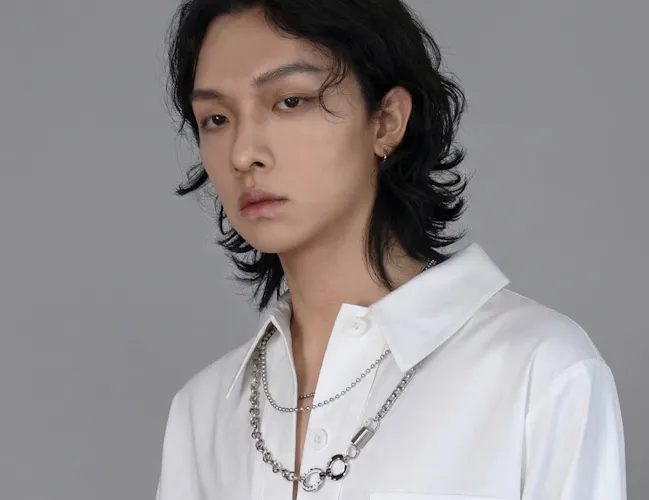
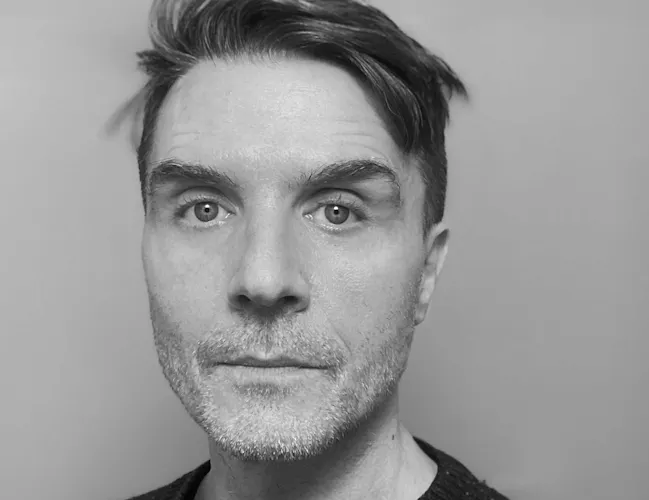
The Unrealtime Voices workshop will offer visitors the chance to improvise with unique recordings of opera singers from the Jette Parker Artists Programme, a professional residency within the Royal Ballet and Opera. The workshop will centre on Unrealtime, a digital music improvisation software that enables users of all ages and abilities to freely record and explore sounds. No experience is required, just a willingness to have fun while experimenting with recordings and sounds linked to works programmed at the RBO. Participants will also be able to explore the possibilities of AI-generated sounds. Unrealtime is being developed by Dr Panos Ghikas and Dan Herbert, who lecture and research at Canterbury Christ Church University, UK.
This work features singers from the Jette Parker Artist Programme: Sarah Dufresne (2022–24), Siphe Kwani (2024–26) and Emyr Lloyd Jones (2024–26)
Gibson + Martelli / nino
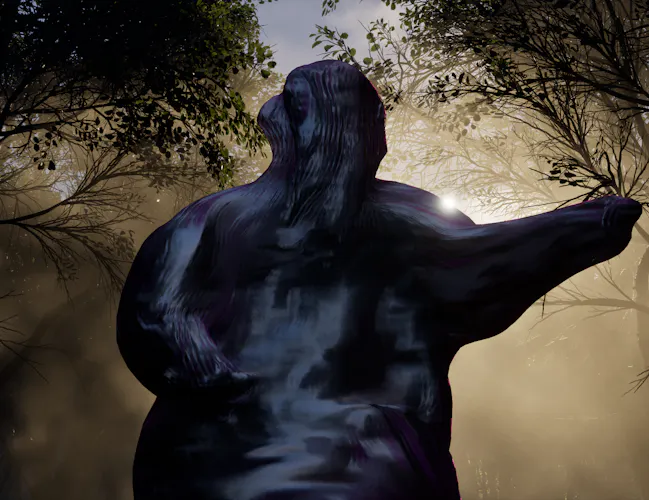
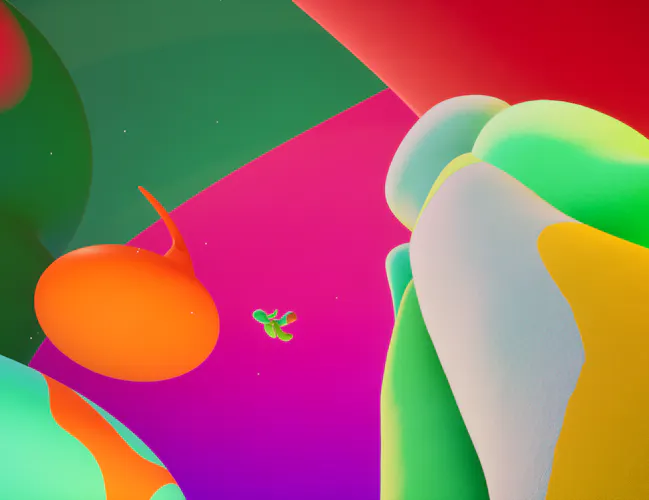
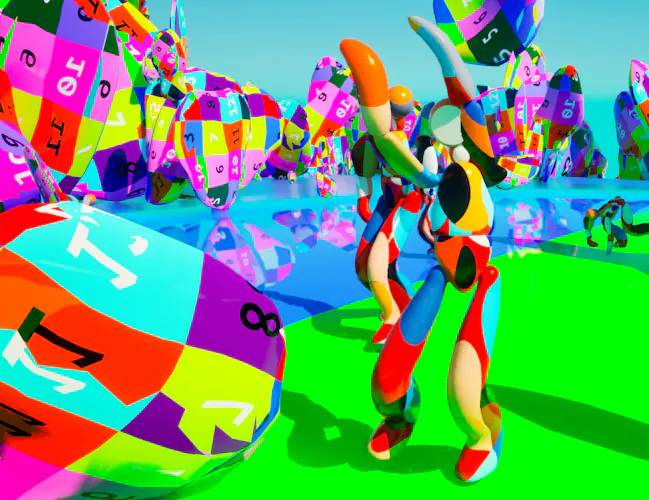
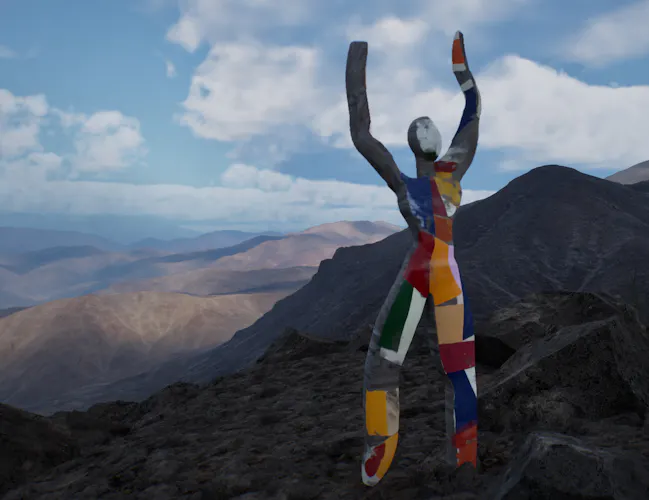
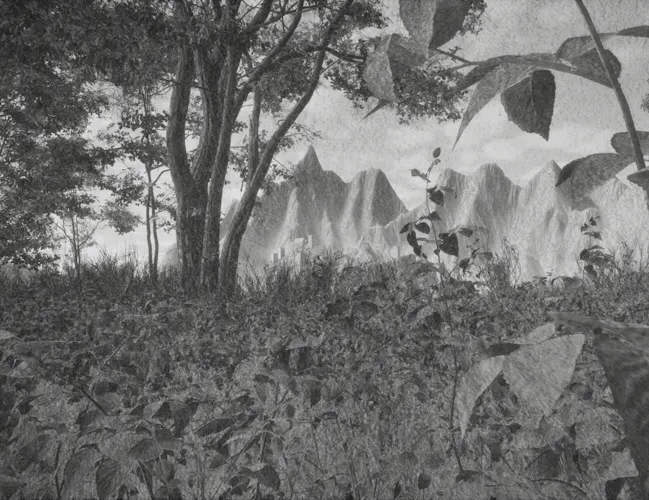
Created by Ruth Gibson and Bruno Martelli, nino expands the creative possibilities for dance performance by transposing to a different domain – into a game space. The novacene is the conceptual lens through which nino frames anxiety about AI, as well as issues of identity and connection prevalent in contemporary society, and promotes a future characterised by increased connectivity, a return to the body and a reconnection with the environment. The unconventional body types of the avatars invite consideration of how we define ourselves and how those definitions evolve interactions in virtual spaces. Developed from a 45-minute live performance during a residency at Trafó, Budapest, with music by Mechanoid Muse and Casually Here, this speculative simulation invites the user to become at once the author and the viewer of the artwork, in an unconventional game-like experience.
Full Credits