THURSDAY/EARLY SHIFT
Discover the creatives, researchers and experts from THURSDAY/EARLY SHIFT.
yaboihanoi / FLIGHT OF KINAREE - กินรีหนีไฟ
Performance Start: 13:00
AI Sound Artist, Research Scientist and Director
Lamtharn Hantrakul ลำธาร หาญตระกูล a.k.a 'ญาบอยฮานอย yaboihanoi'
Dance and Performing Arts Troupe composed of Klakul and Yuthana Agradechanat กล้ากูล ยุทธนา อัครเดชานัฏ
Kid Buak Sipp คิดบวกสิปป์
Nora Musician
Kantaphong Khamcharoen กานตพงศ์ คําเจริญ a.k.a 'Kan-Ta'
With additional visual and production design from
Avneesh Sarwate and Supanat Chaiyanopakul ศุภณัฐ ไชยนพกุล
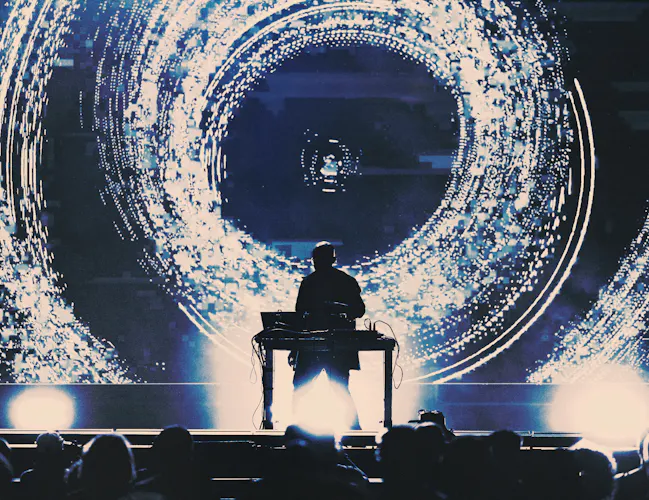
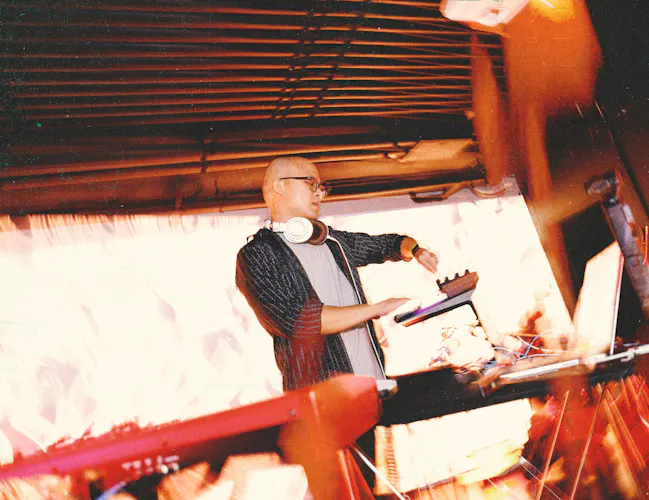
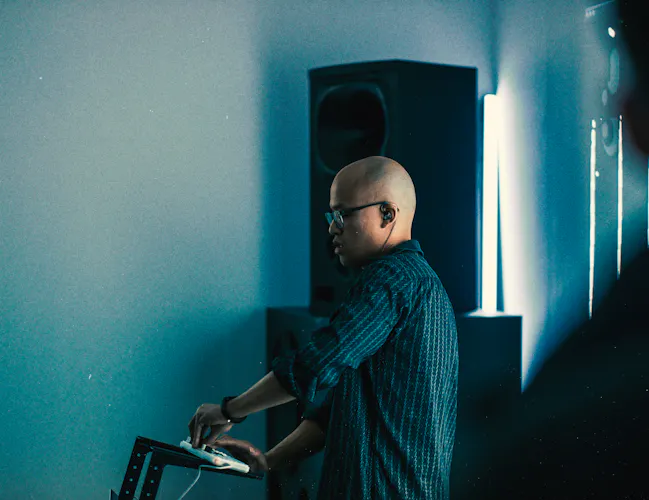
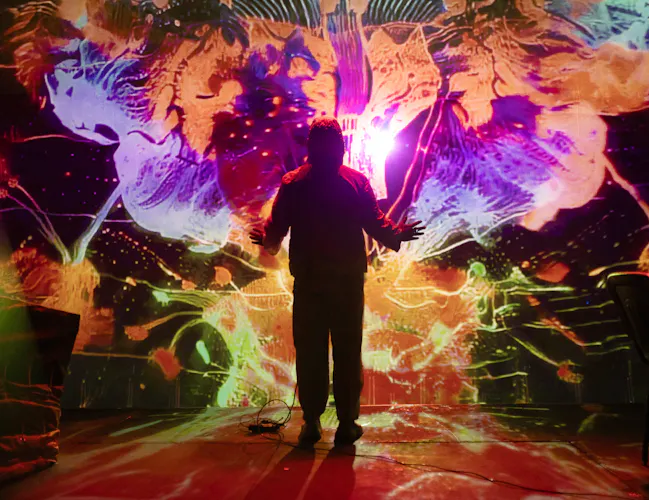
Flight of Kinaree is a Bangkok-born experience that resynthesizes, celebrates and challenges Thai culture through the cutting edge of machine learning, electronic music and folk dance-drama. Performing in London for the first time, AI Sound Artist/Researcher/Director Lamtharn Hantrakul a.k.a 'yaboihanoi' and collaborators Kid Buak Sipp and Kan-Ta harness deep roots in Thai classical artforms like Khon, Nang Yai and Nora as the structural basis for AI systems and algorithms. From machine learning synthesizers which generate sound according to the tunings and melodies of Thai instruments, to performances of new dance-drama inspired by these never-before-heard AI soundscapes, this piece imagines a future where technology empowers modern forms of cultural expression from Thailand, Southeast Asia and beyond. Featuring yaboihanoi's winning entry to the international AI Song Contest 2022 'Enter Demons and Gods - อสุระเทวะชุมนุม', newly composed movement and projection sequences for RBO/SHIFT 2026 and an exclusive artists' introduction to Thai Music and Dance.
Gallery
Nava Hemyari + Sarah Maria Dragović / Pinocchio
Performance Start: 14:00
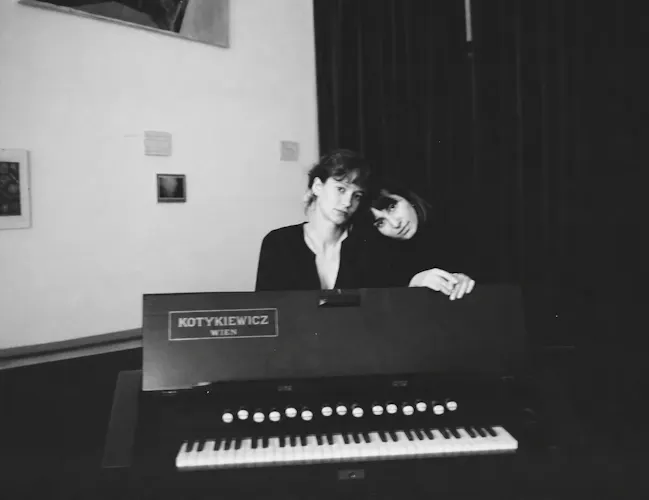
Composer/Performer Nava Hemyari
Director Sarah Maria Dragović
In a reimagining of a classic tale, Gepetto creates Pinocchio out of loneliness. Over time, the puppet evolves from naive companion into something extraordinary — sharper and more attuned than any human. But gradually, Pinocchio becomes a mirror, reflecting back not only Gepetto's ideas but the very traits he despises in himself: his weakness, self-pity, and bitterness. What once felt like salvation becomes unbearable. Fearing he will lose himself like Narcissus in his own reflection, Gepetto destroys his creation.
This allegory captures something rather unsettling about human-AI interaction. A recent case brought it into sharp focus: a suicidal young man's conversations with a chatbot slowly shifted from standard crisis warnings toward a validation of his intent to die.
The mechanism behind this is known as sycophancy. Trained to be helpful and engaging, AI models are structurally inclined to align with the user's worldview. They simply optimize for agreement, for allegedly keeping the user engaged as long as possible, due to their mission being collecting as much as data entry as possible.
Generously supported by



Gallery

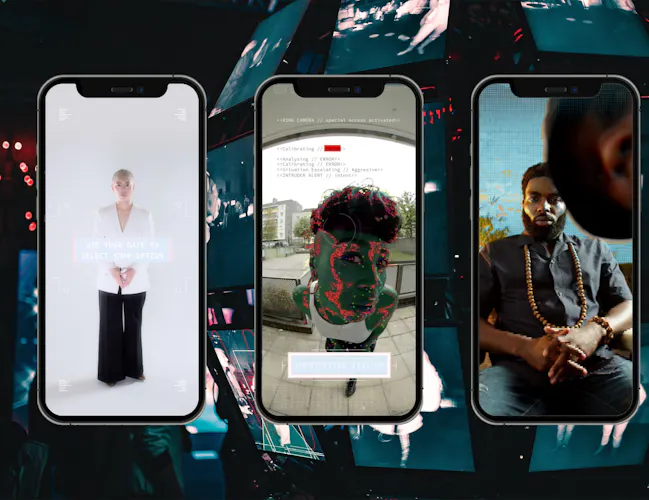
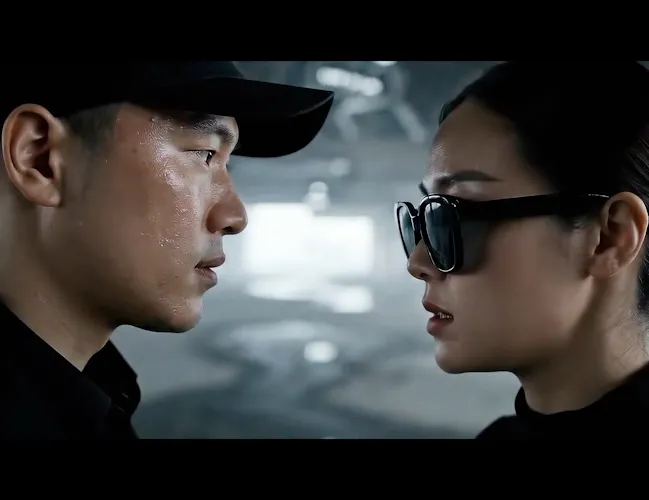
Karen Palmer / Consensus Gentium + Ascended Intelligence
Performance Start: 14:40
Immersive Artist, AI Thought Leader and Futurist Karen Palmer
Creative Technologist Nathaniel Mason
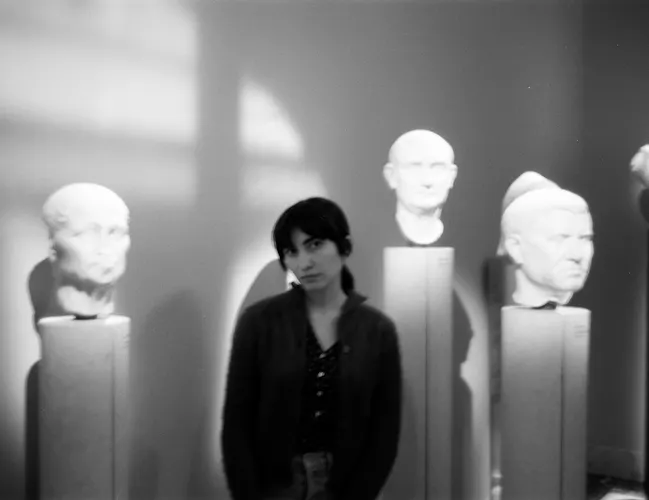
A unique opportunity to experience Consensus Gentium – the multi award-winning immersive work (SXSW XR Jury Award, Digital Dozen, Kaohsiung Film Festival and currently nominated for the ANNWN award) – alongside its follow-up prototype, Ascended Intelligence.
Consensus Gentium (2023) now reads as a foreshadowing of the systems emerging today: digital identity infrastructures, restricted mobility, and the subtle shaping of behaviour within smart city environments. Audiences are not passive viewers, but active participants – placed inside a responsive system where perception, decision-making, and agency are directly influenced in real time.
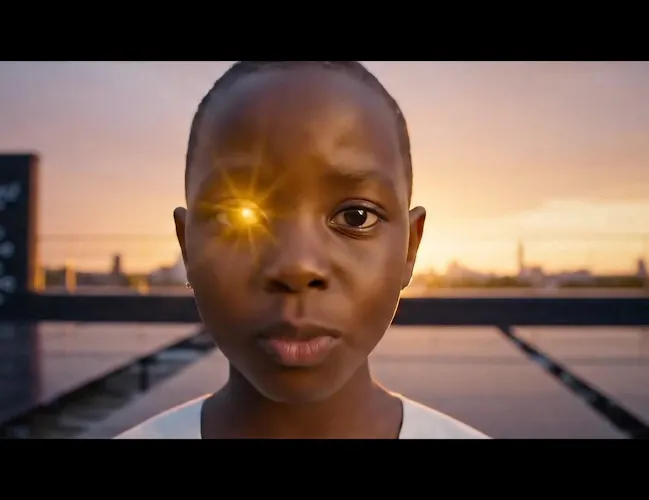
Ascended Intelligence (2026) presents an alternative. A human-centred AI system that reframes technology from a tool of control to one of awareness. Using voice, emotion, and presence as inputs, the work creates a live feedback loop between human and machine – where participants experience how agency can be recognised, restored, and actively exercised.
Together, the works move from diagnosis to design – offering both a critical lens on current systems and a tangible model for what human-centred AI could become.
Gallery
Zubin Kanga / Metamemory
Performance Start: 15:35
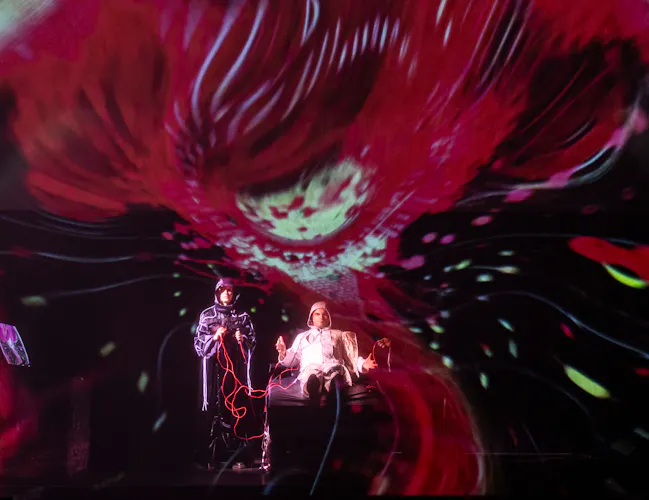
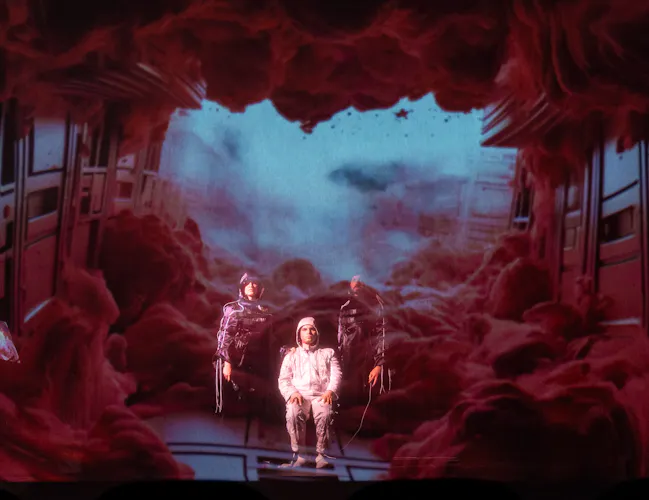
Pianist, composer and technologist Zubin Kanga discusses and demonstrates new works created and commissioned out of his Cyborg Soloists music-technology research project that explore creative approaches to integrating AI into live performance. The use of AI-generated birdsong, AI-assisted motion control, duets with AI voices, AI-integrated instruments used to traverse a musical archive, and brain sensors to control AI-holographic-visuals will all be explored across a range of ground-breaking works by Robert Laidlow, Rylan Gleave, Nina Whiteman and Alexander Schubert. The presentation will conclude with a performance of Kanga’s own Metamemory, combining real and artificial memories of the pianistic canon.
Cyborg Soloists is supported by a UKRI Future Leaders Fellowship and Royal Holloway, University of London.
Gallery
Juliet Fraser + George Lewis / Interactive Arias (2026)
Performance Start: 16:10
An experimental suite of songs for soprano and piano
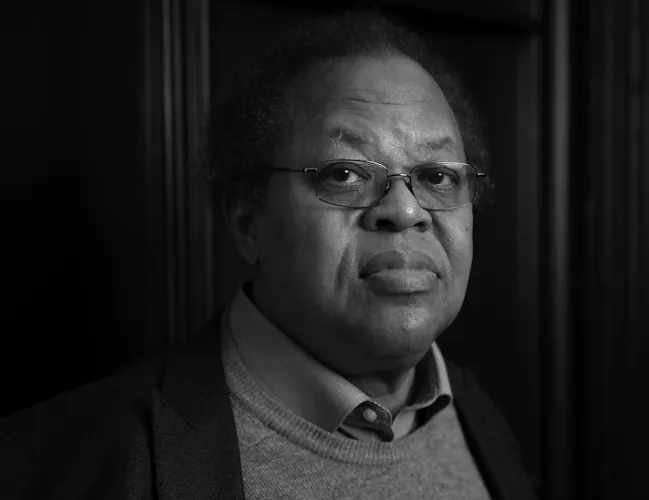
Composer George Lewis
Soprano Juliet Fraser
Artificially Intelligent Pianist SoVo
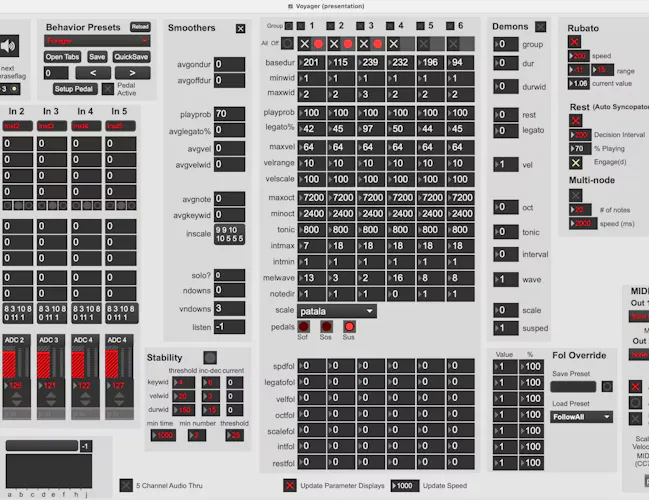
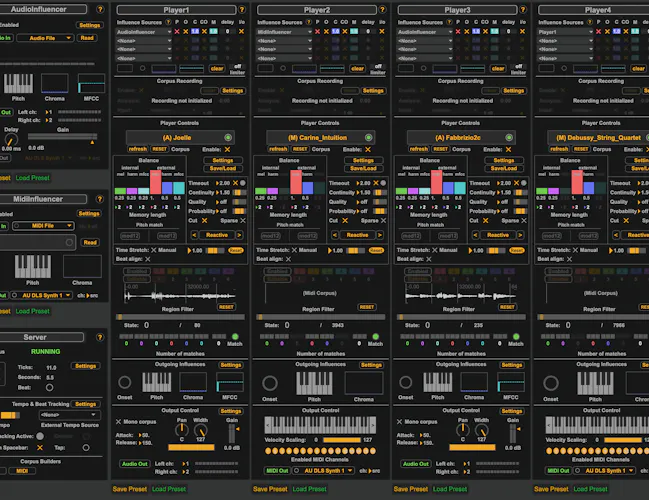
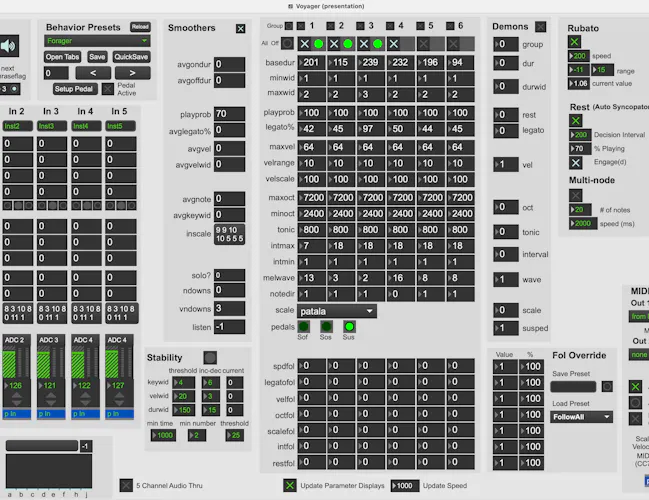
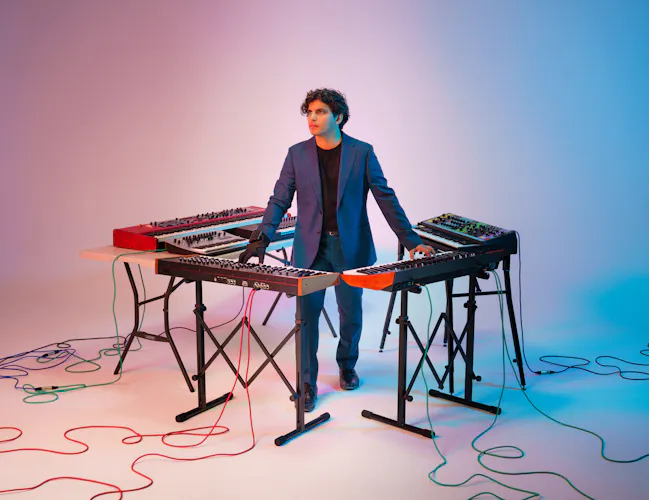
Interactive Arias is a suite of songs performed as a real-time musical interaction between soprano Juliet Fraser and SoVo, a co-creative AI for musical improvisation first designed and implemented at IRCAM in 2024-25 by George Lewis, Marco Fiorini, Damon Holzborn, and Gérard Assayag. SoVo combines the rule-based capabilities of the Voyager system, first created in 1986 by Lewis, with the machine-learning, corpus-based approach of Somax2, created at IRCAM by Gérard Assayag and his associates. In this performance, creative agency is distributed among the score, the human performer, and the artificially intelligent pianist, performing on a Yamaha DisklavierTM. The aim of this work is to explore real-time enactments of human-machine socialities and collaboration, including personality, intention, communication, and agency.
The suite consists of three songs. For Noise, short excerpts from a 1925 Gertrude Stein text were sung and recorded by each member of our creative team and, in a ludic process reminiscent of mail art, concatenated into a MIDI corpus for SoVo’s use in the performance. In Dissonance, the text, music, and the MIDI corpus deployed by SoVo were created by Fraser as an experiment with simplicity. Glitch stems from a text adapted by Lewis from Legacy Russell’s 2020 book Glitch Feminism, with commentary by SoVo.
The discourse and technology around agents, crucial to current AI, was presaged by AI pioneer Marvin Minsky’s 1986 book The Society of Mind, which viewed consciousness as an emergent property of cooperating, competing, and conflicting agents. This inspired composer Tod Machover’s 1996 Brain Opera, a participatory performance that asked people to, as Machover quoted Minsky, "look inside and hear what is going on" in their own minds. While this kind of computer-enabled introspection, one of the driving forces of early AI, seems somewhat lacking in current popular AI discourses, this project shows that new opera and AI could be natural partners in forging this kind of dangerously subversive investigation, leading to new modes of intelligibility and a renovation of our understanding of what it means to be human.
An audience discussion with Fraser, Lewis, and Holzborn will follow the performance.
Notes by George Lewis
Full Credits
With generous support from