Approximate timings
Approximate total running time:
5 hours 50 minutes
Interval 1:
40 minutes
Interval 2:
1 hour
Conductor
Cast for this performance
First Norn
Chorus
Gutrune
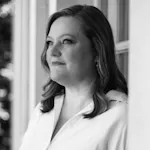
Third Norn
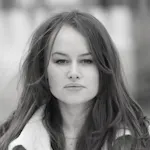
Flosshilde
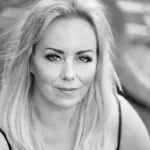
Brünnhilde
Guidance
More information available soon
Please note that, as this is a new production, age guidance and content warnings may be subject to change.
Language
Sung in German with English surtitles, which are displayed on screens above the stage and around the auditorium.
Generous support from
Exceptional philanthropic commitments for the Ring Cycle from
Ring Season Principals Alex and Elena Gerko and The Julia Rausing Trust
Ring Principal Benefactors
Charles Holloway OBE and Hamish and Sophie Forsyth
Ring Benefactors
Christopher and Sarah Smith, The Goldhammer Foundation, John G. Turner & Hango G. Fischer, Pat and Dirk Bister, Ingemo and Karl Otto Bonnier, Malcolm Herring, Philipp Freise, John Sunderland & George Shishkovsky and an anonymous philanthropist
Generous philanthropic support from
Athena P S Ko, Mr R G Willicombe, Michael and Joanna Richards, The Thompson Family Charitable Trust, The American Friends of Covent Garden and the Götterdämmerung Production Syndicate
Role of the conductor generously supported by
Mrs Philip Kan
Synopsis
The story of Götterdämmerung
Deception leads to treachery, then devastation, when Siegfried is tricked into betraying Brünnhilde. Learning the truth of her beloved’s innocence, Brünnhilde at last returns the ring to the Rhinemaidens, before ordering that Valhalla be swallowed in flames. Impassioned, otherworldly music – including Siegfried’s transporting Funeral March and Brünnhilde’s electrifying Immolation Scene – pairs with unmatched drama in the all-consuming conclusion of Wagner’s unforgettable saga.
2027/28 Season
Creatives
The artists and creatives behind the production
Composer
Libretto
Director
Set Designer
Costume Designer
Lighting Designer
Video Designer
Discover
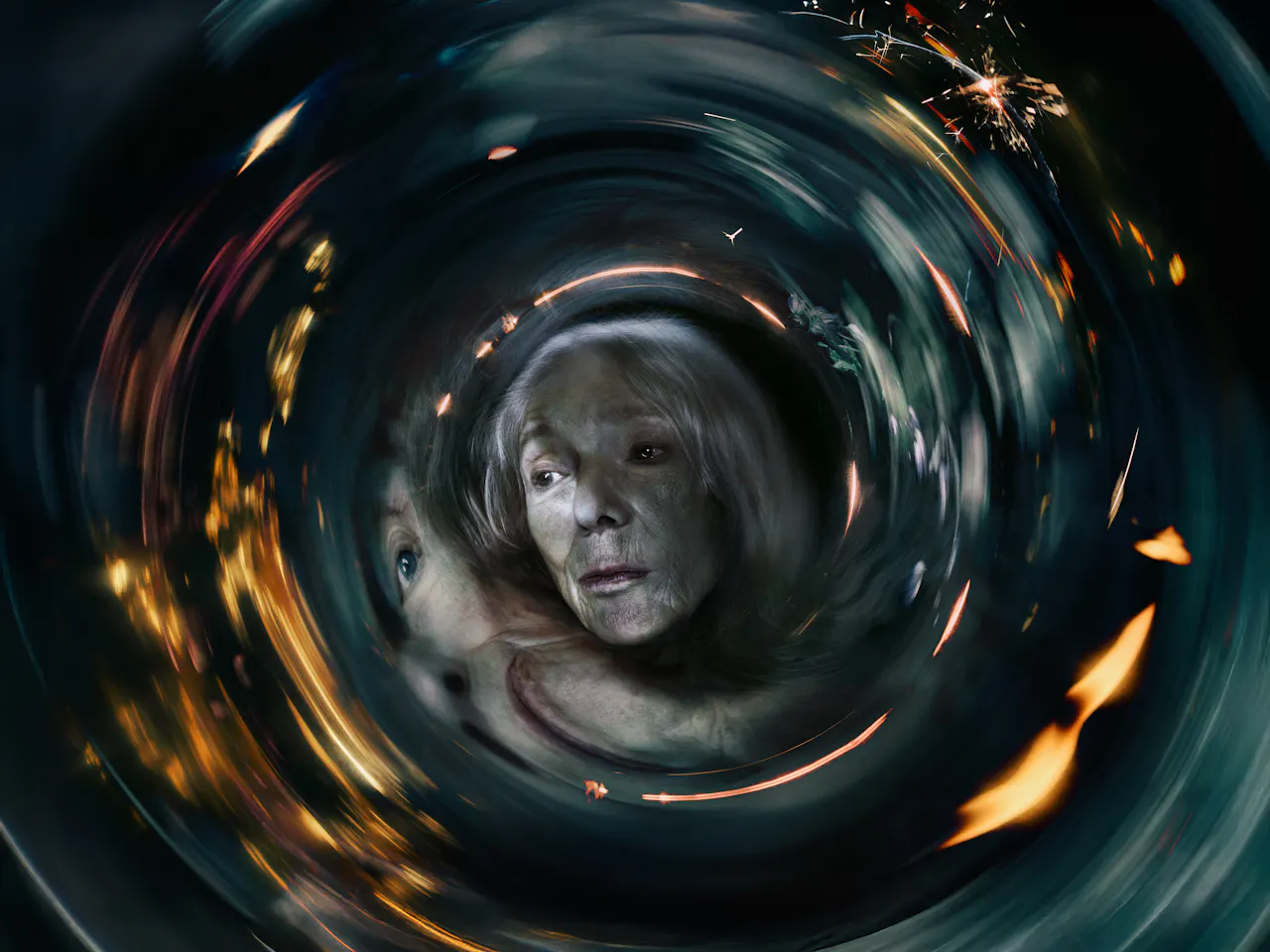
An earth in ruin. The twilight of the Gods. Wagner’s Ring cycle comes to its fiery end.
The journey of composing an Epic
The music
Though Götterdämmerung (Twilight of the Gods) is the last opera in the Ring cycle, Wagner wrote the four Ring texts – or ‘poems’, as he called them – that inspired his tetralogy in reverse order, beginning with Siegfrieds Tod (Siegfried’s Death), which would become Götterdämmerung, in 1850. A year later, while a guest at the Swiss spa of Albisbrunn, Wagner drafted the prose story of Das Rheingold (The Rheingold) and Die Walküre (The Valkyrie) on two sides of the same sheet of paper, companion pieces to the earlier sketched Siegfried’s Tod and Jung-Siegfried (Young Siegfried) – later, Der junge Siegfried (The Young Siegfried) and even later, plain Siegfried.
By 1852, with his text complete, Wagner set out to compose the music of the cycle, now in chronological order. Though he began the music for Das Rheingold in 1852 and followed shortly with Die Walküre, in 1856, midway through Act II of Siegfried, Wagner set his pen down and only returned to the work in 1869. In the break, he composed Tristan und Isolde and Die Meistersinger von Nürnberg. And so, the music of Götterdämmerung, written between 1869 and 1872, was completed two decades after Wagner first began his composition journey, making it indeed a monumental conclusion to his greatest drama.
To find out more about the Ring cycle, including key plot points and background information: read our Opera Essentials: The Ring cycle
Accessibility and resources
There is lift access and step-free routes to over 100 seats in the Stalls Circle, Balcony and Amphitheatre. Some seats in the Stalls Circle, Balcony, Amphitheatre and the Donald Gordon Grand Tier are accessed by 9 steps or fewer. There are 10 steps or more to accessible seats in the Orchestra Stalls.
You can use the assistive listening systems in our auditoriums. Surtitles, captions and translations in English are displayed on screens above the stage and around the auditorium.
Join our Access Scheme for priority access to tickets and to inform us of your access requirements.
See our Accessibility page for more information, watch a subtitled information video on YouTube or view a visitor guide (PDF, 12.0 MB).
Be the first to know
Sign up to hear the latest Royal Ballet and Opera news, receive ticket alerts, and discover how to support us.